

Ultimate Spray Foam Guide
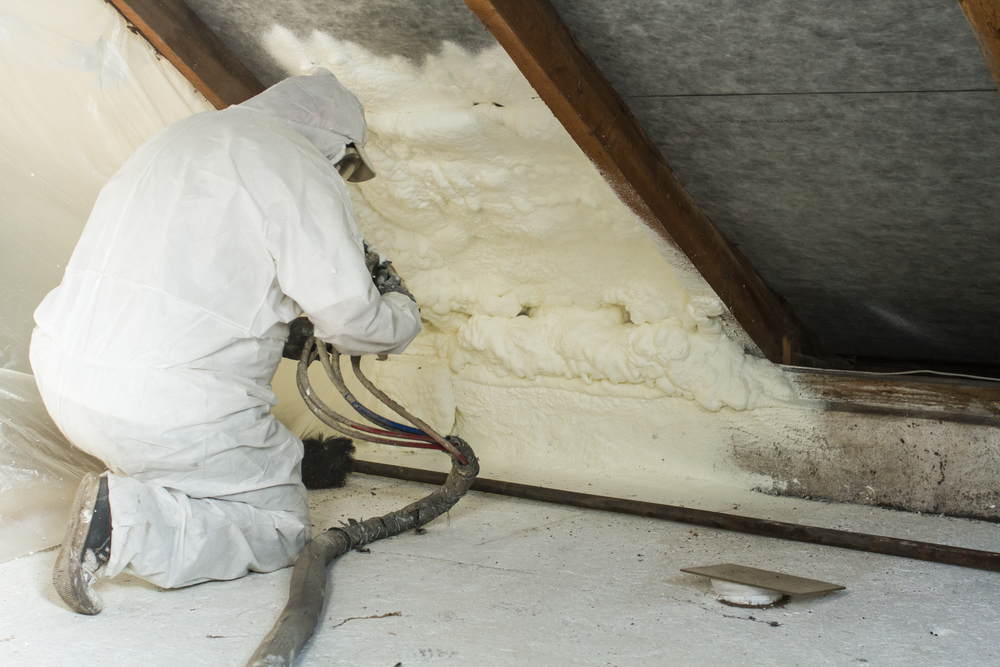
Spray foam insulation is a popular choice for homeowners looking to improve the energy efficiency of their homes. This versatile material can be used to seal gaps and cracks, as well as to insulate walls, ceilings, and floors. Spray foam is applied as a liquid, and then expands and hardens to form a tight seal that helps keep air out and indoor air in, leading to lower energy bills and a more comfortable living environment.
With its ability to conform to any space and provide a high level of insulation, spray foam is a highly effective solution for both new construction and retrofitting existing homes. In this article, we will explore the benefits of using spray foam insulation, as well as the different types of spray foam available and how they can be used to improve the energy efficiency of your home.
The Benefits of Spray Foam Insulation
One of the primary benefits of using Spray foam insulation is its ability to create a seamless air barrier that helps prevent heat loss and air infiltration. This results in reduced energy consumption and lower utility bills. Additionally, spray foam insulation can help improve indoor air quality by reducing the infiltration of allergens and pollutants from outdoors. Its ability to seal gaps and cracks also makes it an effective solution for moisture control, which can help prevent mold growth and protect the structural integrity of your home.
Types of Spray Foam and Their Applications
There are two main types of spray foam insulation: open-cell and closed-cell. Open-cell foam is less dense and more flexible, making it ideal for interior applications such as walls and ceilings. Closed-cell foam is denser and provides a higher R-value, making it suitable for exterior applications like roofs and foundations. Both types of spray foam can be used together to create a comprehensive insulation system that maximizes energy efficiency and comfort in your home. When choosing the right type of spray foam for your project, it is essential to consider factors such as climate, building design, and budget constraints.
In conclusion, spray foam insulation offers a range of benefits for homeowners seeking to improve the energy efficiency and comfort of their homes. By creating a seamless air barrier that helps prevent heat loss and air infiltration, spray foam can significantly reduce energy consumption and lower utility bills. Additionally, its ability to seal gaps and cracks can improve indoor air quality by preventing the infiltration of allergens and pollutants. With options such as open-cell and closed-cell spray foam available for different applications, homeowners have the flexibility to choose the right type of insulation to suit their specific needs. Overall, the use of spray foam insulation can result in a more comfortable, healthy, and energy-efficient living environment for homeowners.