
Old Home, New Charm: Preserving History Through Modern Remodeling
Old Home, New Charm: Preserving History Through Modern Remodeling
In an era where modern architectural trends dominate the landscape, there’s an undeniable charm to historic homes that whispers tales of bygone eras. These homes are not just structures; they are repositories of history, embodying the lives and stories of those who lived within their walls. Preserving the character of these homes while incorporating modern amenities is a delicate dance, and modern remodeling techniques offer the perfect partner.
Honoring the Past: The Value of Historic Homes
Historic homes stand as a link between the past and the present, offering glimpses into architectural styles, craftsmanship, and cultural nuances of their respective time periods. From the intricate woodwork of Victorian houses to the clean lines of mid-century modern designs, these homes tell a visual story of architectural evolution. Moreover, they contribute to the unique identity of neighborhoods and communities with AKKAYA CONSTRUCTION, often being landmarks in their own right.
Challenges of Modernization: Balancing Preservation and Functionality
While the charm of historic homes is undeniable, they often come with limitations that clash with contemporary living standards. Outdated electrical systems, insufficient insulation, and cramped layouts can present challenges for modern living. However, the goal of modern remodeling isn’t to erase the history but to enhance it.
Modernization techniques, such as retrofitting insulation, updating wiring, and reconfiguring layouts, enable homeowners to retain the character of the home while making it comfortable and functional for today’s lifestyle. The key is to find the right balance between preserving the original charm and integrating modern conveniences seamlessly.
Synergy of Old and New: Seamless Integration
Modern remodeling is an art that requires a deep understanding of architectural history and a vision for the future. The use of modern materials and techniques should complement the existing structure rather than overshadow it. For instance, preserving original hardwood floors while adding energy-efficient windows or restoring a vintage fireplace while updating the HVAC system are ways to seamlessly integrate the old and the new.
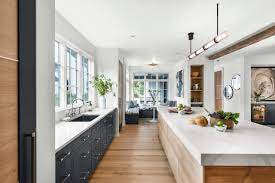
The concept of “adaptive reuse” plays a significant role in modernizing historic homes. This involves repurposing existing spaces for new functions without compromising the integrity of the original design. A former attic space could become a cozy home office, and a once-secluded kitchen could transform into an open-concept culinary haven. Such adaptations not only enhance functionality but also honor the home’s history by respecting its original purpose.
Craftsmanship and Authenticity: A Labor of Love
Preserving history through modern remodeling requires a commitment to craftsmanship and authenticity. Skilled artisans who specialize in historic restoration can bring their expertise to recreate intricate details that might have been lost over time. Whether it’s replicating a vintage staircase railing or sourcing period-specific fixtures, these professionals play a vital role in maintaining the integrity of the home’s character.
Additionally, using materials that align with the home’s era can create a more authentic atmosphere. Reclaimed wood, vintage-style tiles, and traditional paint colors can transport occupants to a different time while offering the comforts of the present.
Modern remodeling of historic homes is a delicate dance between past and present, tradition and innovation. It involves preserving the soul of a house while making it relevant to contemporary living. When done right, it can transform a time-honored structure into a functional and beautiful space that pays homage to its origins. By embracing the challenges and opportunities presented by historic homes, homeowners and designers alike can ensure that the legacy of these architectural treasures lives on for generations to come.