
A Comprehensive Guide to Roof Leak Repair
Introduction:
A leaky roof is a homeowner’s nightmare, as it can lead to a cascade of problems ranging from water damage to compromised structural integrity. Whether it’s a small drip or a full-blown waterfall during heavy rain, addressing roof leaks promptly is crucial to maintaining a safe and secure home. In this comprehensive guide, we’ll explore the common causes of roof leaks and provide practical solutions for effective roof leak repair.
Identifying the Culprit:
Before embarking on a roof leak repair mission, it’s essential to pinpoint the source of the issue. Roof leaks can stem from various factors, including damaged shingles, deteriorated flashing, clogged gutters, or even faulty skylights. Conduct a thorough inspection both inside and outside your home to identify water stains, mold growth, or any other signs of water intrusion.
Common Causes of Roof Leaks:
- Damaged Shingles: Cracked, curled, or missing shingles can expose your roof to water infiltration. Regularly inspect and replace damaged shingles to maintain a watertight seal.
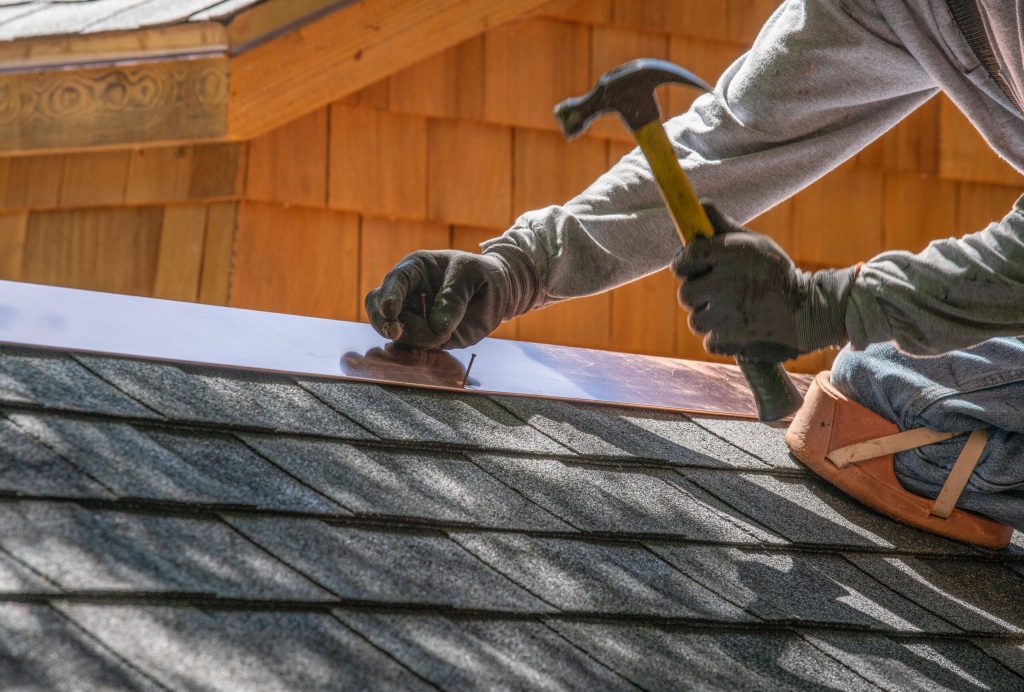
- Flashing Issues: Flashing, the metal strips installed around roof transitions like chimneys and vents, can degrade over time. Check for rust, cracks, or loose flashing and repair or replace it as needed.
- Clogged Gutters: Accumulated debris in gutters and downspouts can impede proper water drainage, leading to roof leaks. Clean gutters regularly to prevent water backups and potential damage.
- Skylight Leaks: Skylights add natural light but can also be a source of leaks if not properly installed or maintained. Check for cracked seals or damaged flashing around skylights.
- Roof Penetrations: Items like plumbing vents, satellite dishes, or antennas may create openings in the roof. Ensure that these penetrations are properly sealed to prevent leaks.
DIY Roof Leak Repair Steps:
- Assess the Damage: Carefully inspect the affected area to determine the extent of the damage. Identify any visible signs of water intrusion.
- Temporary Patch: In case of an emergency, use roofing cement or a patching material to temporarily seal the leak. This can prevent further water damage until a more permanent solution is applied.
- Replace Damaged Shingles: If damaged shingles are the culprit, carefully remove and replace them. Ensure the replacement shingles match the existing ones in color and material.
- Reflash and Seal: Address any flashing issues by resealing or replacing damaged flashing around chimneys, vents, and other roof transitions.
- Clean Gutters: Remove debris from gutters and downspouts to allow proper water drainage. Consider installing gutter guards to prevent future clogs.
Professional Roof Leak Repair:
For more complex issues or extensive roof damage, it’s advisable to seek professional help. Roofing experts have the experience and equipment to identify and address underlying problems effectively. Professional repairs also come with warranties, providing homeowners with peace of mind.
Preventive Measures:
Regular roof maintenance is key to preventing leaks. Schedule annual inspections, address any issues promptly, and consider applying a roof coating for added protection against the elements.
Conclusion:
Roof leak repair requires a systematic approach, from identifying the source of the leak to implementing appropriate solutions. Whether you opt for a DIY fix or enlist the help of professionals, addressing roof leaks promptly is crucial for preserving the integrity of your home. Regular maintenance and preventive measures can go a long way in ensuring a leak-free and secure living environment.