
Quick And Easy Wisdom Tooth Removal Guide
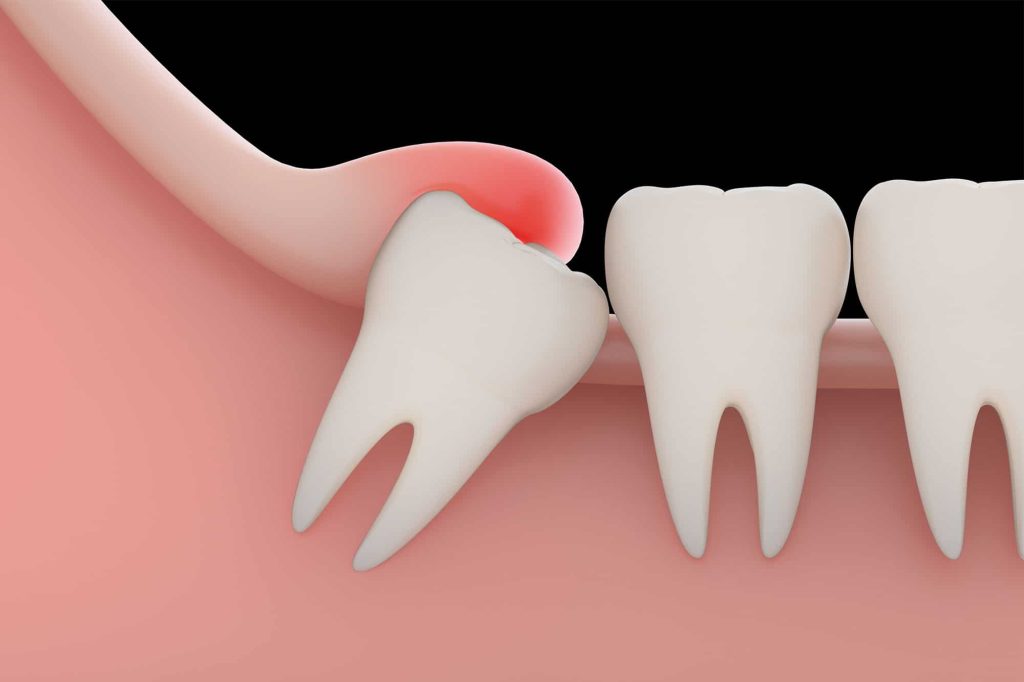
Wisdom tooth removal is a common dental procedure that many individuals undergo at some point in their lives. Wisdom teeth, also known as third molars, typically emerge between the ages of 17 and 25. However, these teeth often do not have enough room to properly erupt, leading to a variety of issues such as impaction, crowding, and infection.
Despite being a routine procedure, wisdom tooth removal can still cause anxiety and uncertainty for many patients. By understanding the process of wisdom tooth removal, including reasons for extraction, the procedure itself, and recovery expectations, individuals can feel more informed and prepared when undergoing this necessary dental treatment.
Understanding the Wisdom Tooth Removal Process
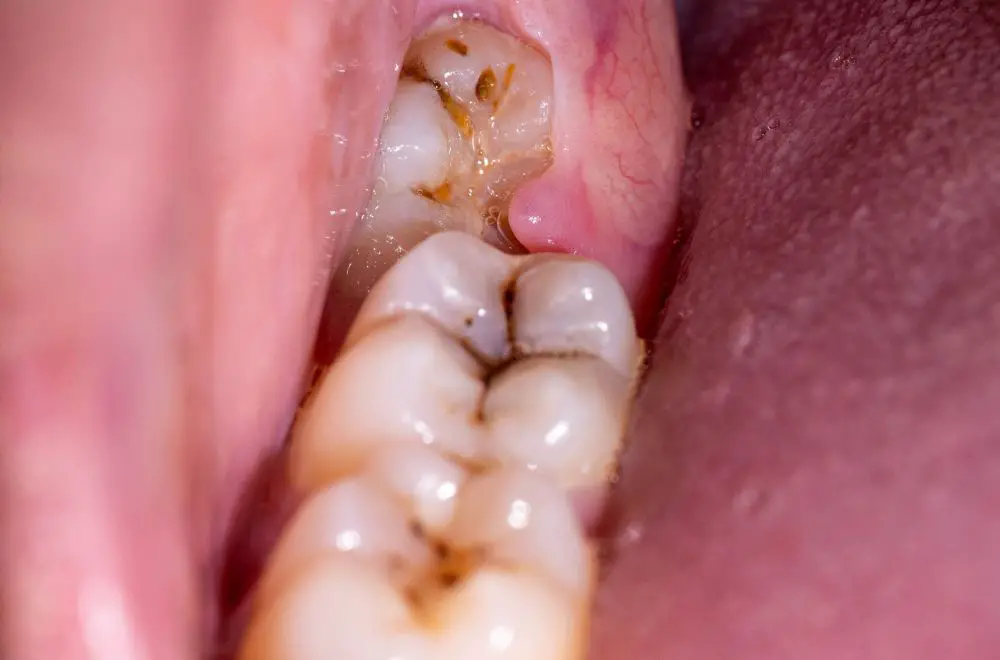
One of the main reasons for wisdom tooth removal is when these third molars become impacted, unable to erupt fully through the gums. This can lead to pain, infection, and damage to adjacent teeth. During the procedure, the dentist or oral surgeon will administer anesthesia to ensure the patient’s comfort. The tooth is then carefully extracted, and stitches may be placed if necessary to aid in healing. Recovery from wisdom tooth removal typically involves some swelling and discomfort for a few days, which can be managed with pain medication and rest. If you are experiencing any issues with your wisdom teeth, it is essential to consult with a dental professional to determine if wisdom tooth removal malaysia is necessary.
Overall, wisdom tooth removal is a common and necessary procedure that can help alleviate pain and prevent future dental issues. By understanding the process and knowing what to expect during recovery, patients can approach this treatment with confidence and peace of mind. Consulting with a dental professional is key to determining if wisdom tooth removal is needed and ensuring that the procedure is carried out smoothly for optimal oral health. While it may seem daunting, wisdom tooth removal can ultimately improve one’s overall dental well-being in the long run.