
Sustainable Hydroponics: Cultivating a Greener Future
Sustainability is no longer just a buzzword; it’s a necessity. As our global population continues to grow and environmental challenges mount, the need for sustainable agricultural practices becomes increasingly critical. Hydroponics, a soil-less method of growing plants, offers a promising solution to some of these challenges. In this blog, we will explore the concept of sustainable hydroponics, its environmental benefits, and how it contributes to a greener and more food-secure future. For more information regarding hydroponic plant one can visit our site https://hydroponicglobal.com.au/.
What is Sustainable Hydroponics?
Sustainable hydroponics refers to the practice of cultivating plants without soil, using water-based nutrient solutions. Its sustainability lies in its ability to optimize resource use, reduce environmental impact, and enhance food security. Here’s how:
1. Water Efficiency:
Hydroponic systems recycle water, using up to 90% less water than traditional soil-based agriculture. This conservation is crucial in regions prone to drought.
2. Reduced Land Use:
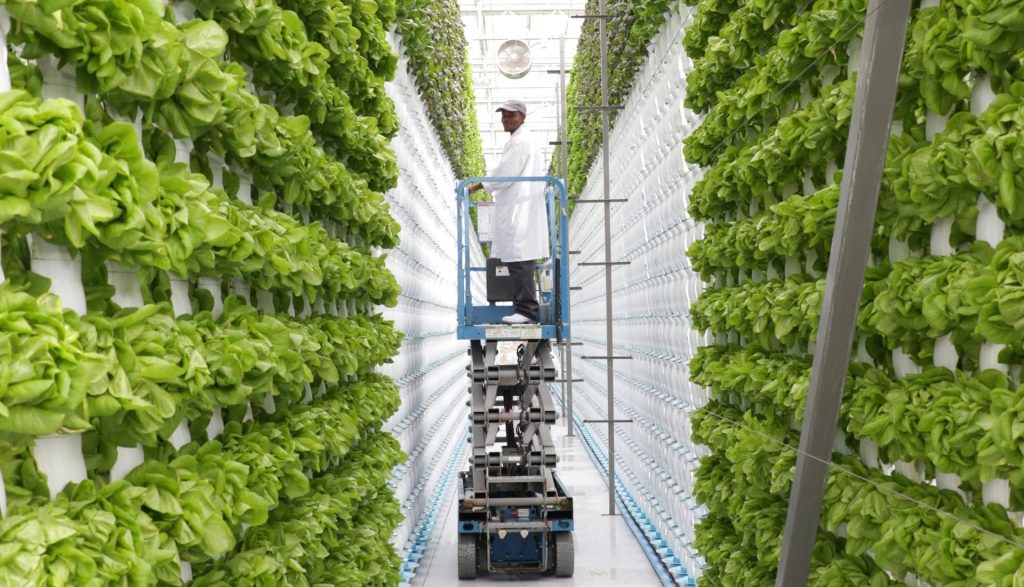
Hydroponics allows for vertical farming and compact systems, making it possible to grow more food in smaller spaces. This minimizes the need for extensive land use and deforestation.
3. Controlled Environment:
Hydroponic systems operate indoors or in greenhouses, providing ideal conditions for plant growth. This reduces the need for pesticides and herbicides while mitigating the effects of extreme weather.
4. Nutrient Precision:
Hydroponics offers precise control over nutrient delivery to plants. This prevents over-fertilization, nutrient runoff, and soil degradation.
5. Year-Round Cultivation:
Hydroponic systems can operate year-round, ensuring a continuous food supply regardless of seasonal limitations.
6. Local Production:
By enabling urban and indoor farming, hydroponics reduces the carbon footprint associated with long-distance food transportation.
Sustainability Initiatives in Hydroponics
Several initiatives and practices make hydroponics even more sustainable:
1. Organic Hydroponics:
Organic hydroponics focuses on using organic nutrient solutions and sustainable growing mediums to cultivate crops without synthetic chemicals.
2. Renewable Energy Integration:
Some hydroponic farms integrate renewable energy sources such as solar and wind power to reduce their environmental impact further.
3. Closed-Loop Systems:
Closed-loop hydroponic systems recycle and reuse water and nutrients, minimizing waste and resource consumption.
4. Integrated Pest Management (IPM):
Sustainable hydroponic farms often employ IPM strategies, which rely on beneficial insects and non-chemical methods to control pests.
5. Research and Innovation:
Ongoing research seeks to improve hydroponic systems, making them even more efficient and sustainable.
Benefits of Sustainable Hydroponics
1. Resource Conservation: Sustainable hydroponics conserves water, land, and nutrients, addressing critical resource scarcity issues.
2. Environmental Protection: It reduces the negative environmental impacts associated with traditional agriculture, such as soil erosion and water pollution.
3. Food Security: By enabling year-round production in various climates, hydroponics contributes to global food security.
4. Community Engagement: Hydroponic farms can engage local communities, providing fresh produce and educational opportunities.
5. Resilience: Controlled environments are more resilient to climate change and extreme weather events, ensuring consistent crop yields.
Conclusion:
Sustainable hydroponics embodies the principles of efficiency, resource conservation, and environmental responsibility. As the world faces mounting challenges related to water scarcity, land use, and food security, sustainable hydroponics offers a compelling path forward. By minimizing resource waste, reducing environmental impact, and providing fresh, locally grown produce year-round, it holds the potential to transform the future of agriculture and contribute to a greener, more sustainable world.